My path to software engineering was not a straight line. I studied physics in university, then spent a couple of years in Japan teaching English. After that, I came back to the US and landed a role as a safety specialist at Amazon. I was close to the tech world, but not in it. Watching engineers around me sparked a question I couldn't shake: what is it actually like to build software?
When my wife and I decided to move back to Japan for good, I saw an opening. A major life change felt like the right moment for a major career change too. I enrolled in Code Chrysalis, a Tokyo-based bootcamp, attending remotely from January to March 2025. The tuition wasn't cheap. Three months to learn full-stack development felt impossibly short. But it worked and today I'm a software engineer at NekkoLabs, working remotely. Honestly, it still feels surreal.
Not everyone from my cohort was as fortunate. A couple of classmates landed similar roles, but many ended up in non-tech positions or are still searching. I think about that a lot. My outcome was part luck, but also a result of some deliberate choices I made along the way. Here's what I think made the difference.
1. Don't outsource your thinking to AI
I'll be honest: I use AI tools a lot at work. But I can follow and critique the code they produce, because I built that foundation myself during the bootcamp. There were plenty of moments where the AI output wasn't quite right, and I needed to step in and fix things myself.
If you rely on AI to get through the exercises, you're skipping the struggle that actually builds understanding. When you're stuck, talk to a classmate or ask a teacher. That friction is the point.
2. Invest in your relationships, not just your skills
You could learn to code from YouTube videos and free tutorials. So what does a bootcamp actually give you that self-study doesn't? The people.
Your instructors have worked in the industry. You don't know who they know. One of my teachers, Will, became a genuine friend and after graduating, he introduced me to my first major open source project. That single connection changed the trajectory of everything that followed.
The relationships with classmates matter just as much. For most of my bootcamp, I only knew my cohort through a screen. Then, at the very end, everything changed.
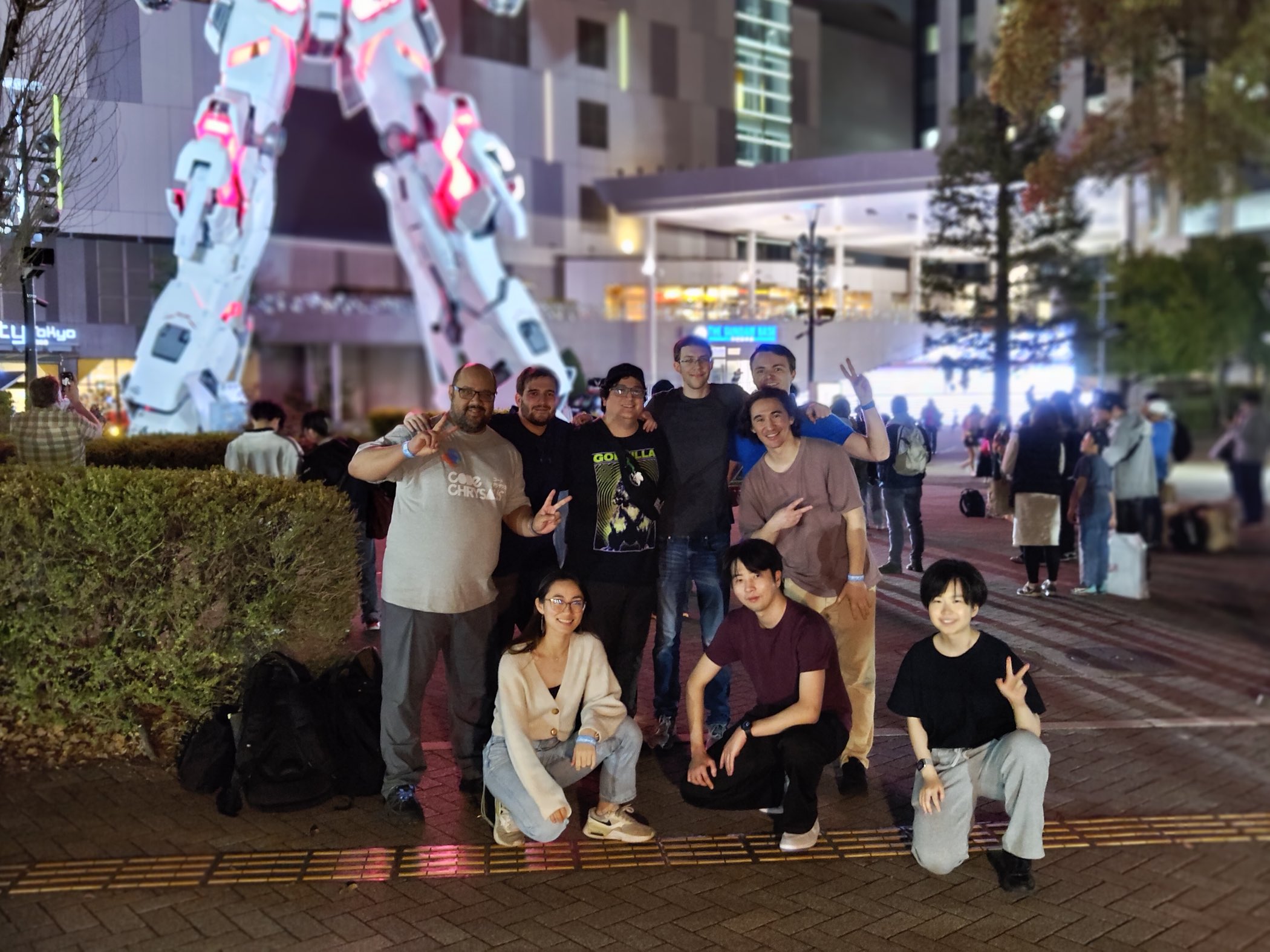
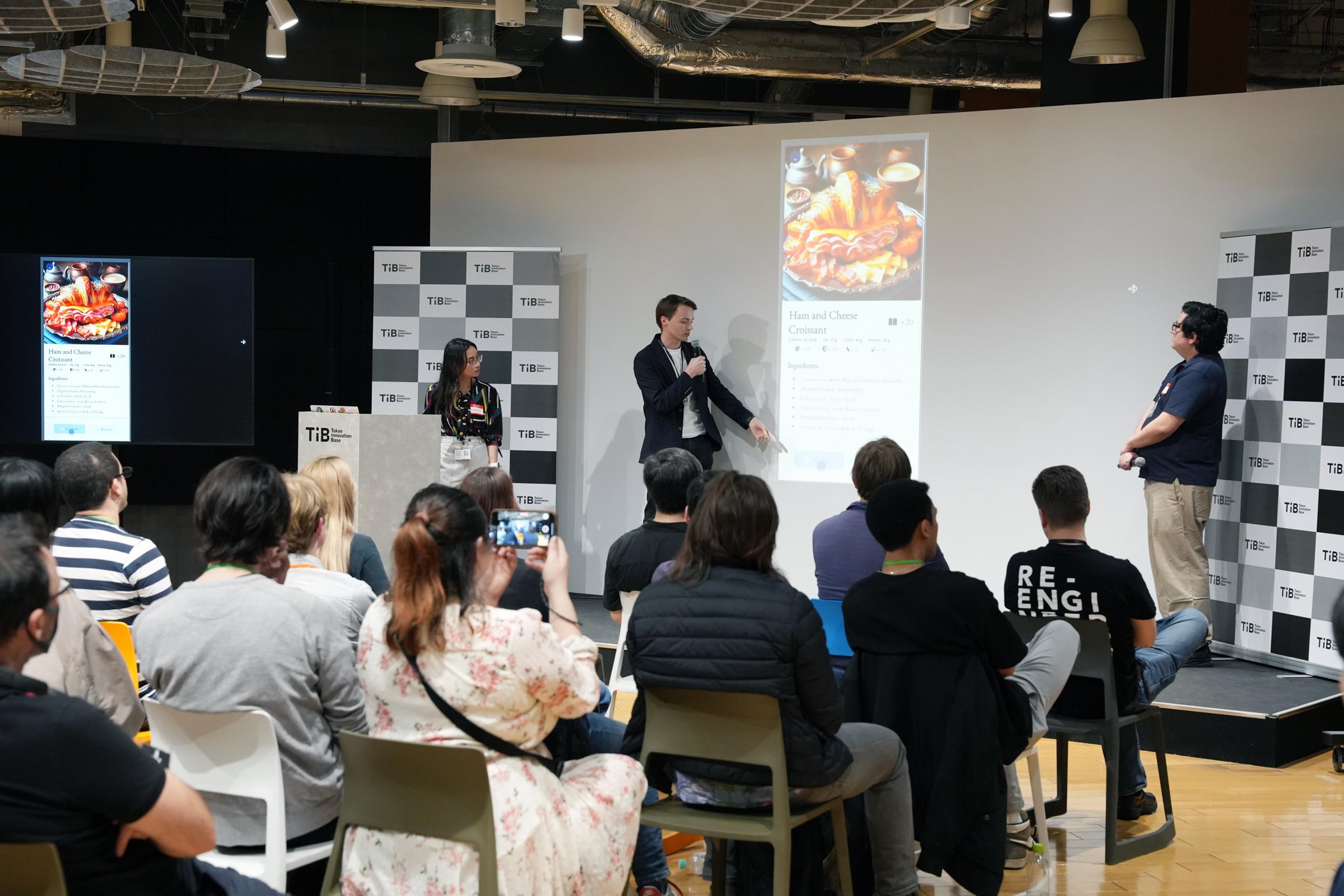
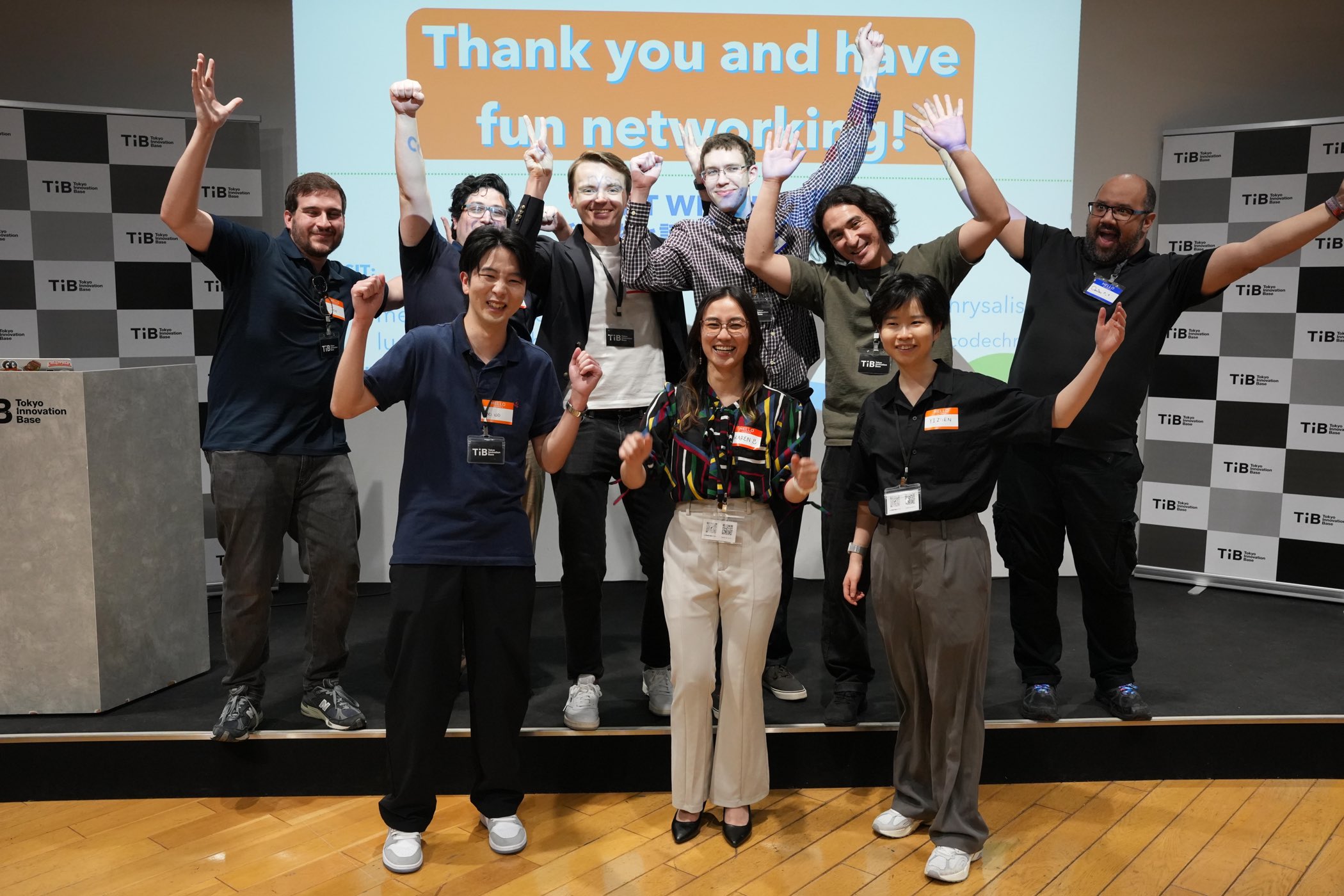
The capstone of Code Chrysalis was a senior project: everyone was put into teams of three and had to conceive, build, and present a full-stack app from scratch. All of us presented our apps at Tokyo Innovation Base in Tokyo. I flew there from Kumamoto, walked into the venue, and met my classmates in person for the first time. After the demos, we all went out together. It was one of those nights that reminds you why you took the leap in the first place. The shared stress of building something real, the relief of finishing it, and the excitement of being in a room full of people who got it. That's not something you get from a tutorial.
3. Contribute to open source projects
Being able to write code is one thing. Working with other engineers on a shared codebase is another skill entirely, and it's the one most companies actually hire for. Open source projects teach you how to read unfamiliar code, write clear issues, navigate pull request reviews, and communicate across a team.
After graduating, Will connected me with Find a Doc, Japan, an open source project helping foreigners navigate the healthcare system in Japan. What struck me immediately was the range of people involved. There were other bootcamp grads just like me, mid-career engineers, senior software engineers with years of production experience, and even people working in the Japanese medical industry. Everyone brought something different to the table.
I met my current boss through that project. I wasn't applying to jobs. I was just trying to contribute something useful.
That's the thing about open source networking: it's not transactional. You're not handing someone a resume and hoping for the best. You're working alongside people on something you both care about, and the relationships that come out of that are a different quality entirely.
A final thought
I didn't get a job the moment I graduated. It took months of following this advice: months of not knowing whether any of it would lead anywhere. It was genuinely one of the hardest stretches of my life.
But the connections I made during that time were real. The skills I built were real. And eventually, they opened a door I didn't even know existed: a role at NekkoLabs, doing work I'm genuinely excited about every day.
If you're considering a career in software and wondering whether a bootcamp is worth it: it can be. But the return you get out of it depends almost entirely on how much of yourself you put in, not just into the code, but into the people around you. You never know where those relationships will take you. I certainly didn't.